
If you’ve been looking into river cruises, you’ve probably come across canal cruises too – sometimes called barge cruises – and wondered what the difference actually is.
While both offer a slower way to travel through Europe, the experience on a river cruise compared to a canal cruise can feel completely different, from the size of the ship to the pace of the day to the kinds of places you’ll visit.
So if you’re trying to decide between the two, here’s what you need to know.
River Cruise vs Canal Cruise: The Quick Answer
The biggest difference between a river cruise and a canal cruise comes down to size and pace.
River cruises operate on larger ships, usually carrying between 100 and 200 passengers, and travel along major waterways like the Danube, Rhine or Rhône. These itineraries often connect major cities and cultural hubs – think Budapest to Vienna, Amsterdam to Basel or Lyon to Avignon.
Canal cruises, often done on small barges, are much more intimate. You might be traveling with just a handful of other guests, often fewer than 20, moving slowly through narrow canals and small villages that larger ships simply can’t access. In France, that might mean drifting through Burgundy, Alsace or the Canal du Midi, stopping in places you likely wouldn’t visit otherwise.
In short, river cruises are about seeing more places, while canal cruises are about experiencing fewer places more deeply.
What Is a River Cruise Like?
River cruising is the more familiar option for most travelers.
Ships are designed to carry more guests, but still feel small compared to ocean cruises. Days tend to follow a rhythm – guided excursions in the morning, time on board or in port in the afternoon and dinner in the evening.

There’s structure, but also flexibility. You’ll usually have multiple excursion options, along with the ability to explore on your own.
A on a typical Danube itinerary, you might spend the morning exploring Vienna, the afternoon sailing through the Wachau Valley and the evening docked in a small town like Dürnstein. On the Rhine, it could be a walking tour in Cologne followed by an afternoon of scenic cruising past castles.
River ships move efficiently between destinations, often traveling dozens of miles overnight so you can wake up somewhere completely new the next day. That ability to cover distance is what makes river cruising feel so efficient – you’re seeing multiple regions in a single trip without constantly packing and unpacking.
What Is a Canal (Barge) Cruise Like?
Canal cruising is a completely different experience.
Instead of traveling on a ship with over 100 passengers, you might be on a barge with just a dozen or so people – sometimes even fewer.
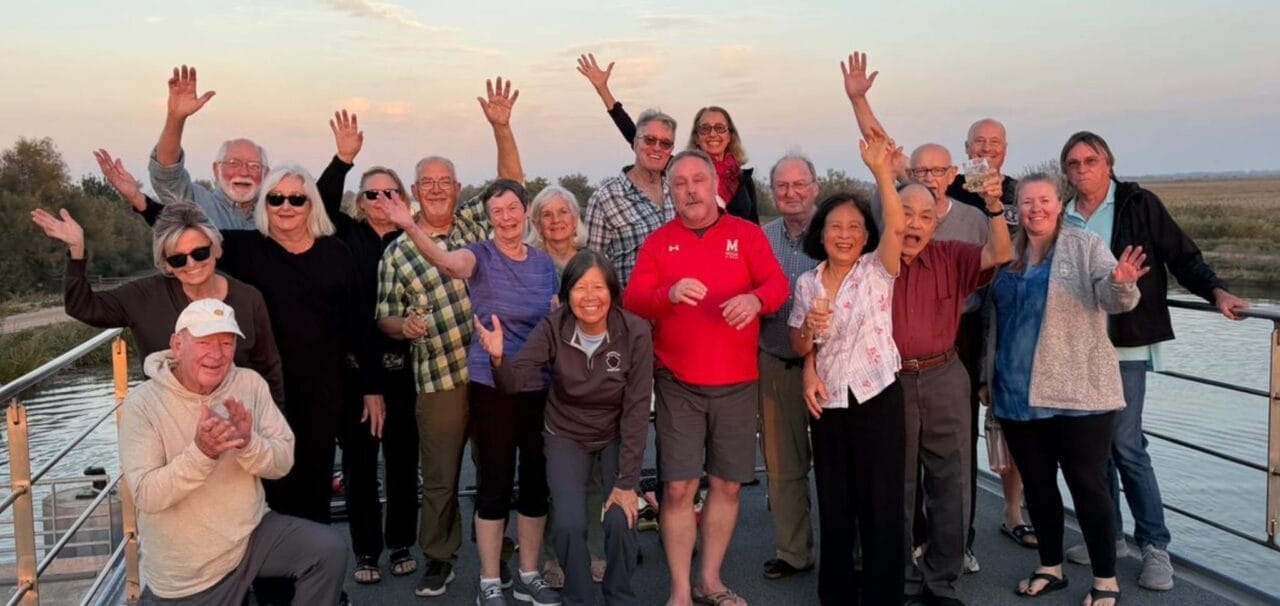
The waterways themselves are narrower and quieter, often no more than a few dozen feet across, winding through countryside and villages that feel far removed from the main tourist routes. In regions like Burgundy or along the Canal de la Marne au Rhin, the journey is less about ticking off cities and more about experiencing the landscape itself.
The pace is unhurried. Barges move gradually along the canals, often slow enough that you can step off and walk or bike alongside them before rejoining at the next lock. On a canal cruise, you might travel just a few miles in an entire day – sometimes even less.
Onboard, the experience is intimate. Meals are shared, the lounge feels more like a living room than a public space and it doesn’t take long to get to know everyone you’re traveling with.
River Cruises vs Canal Cruises
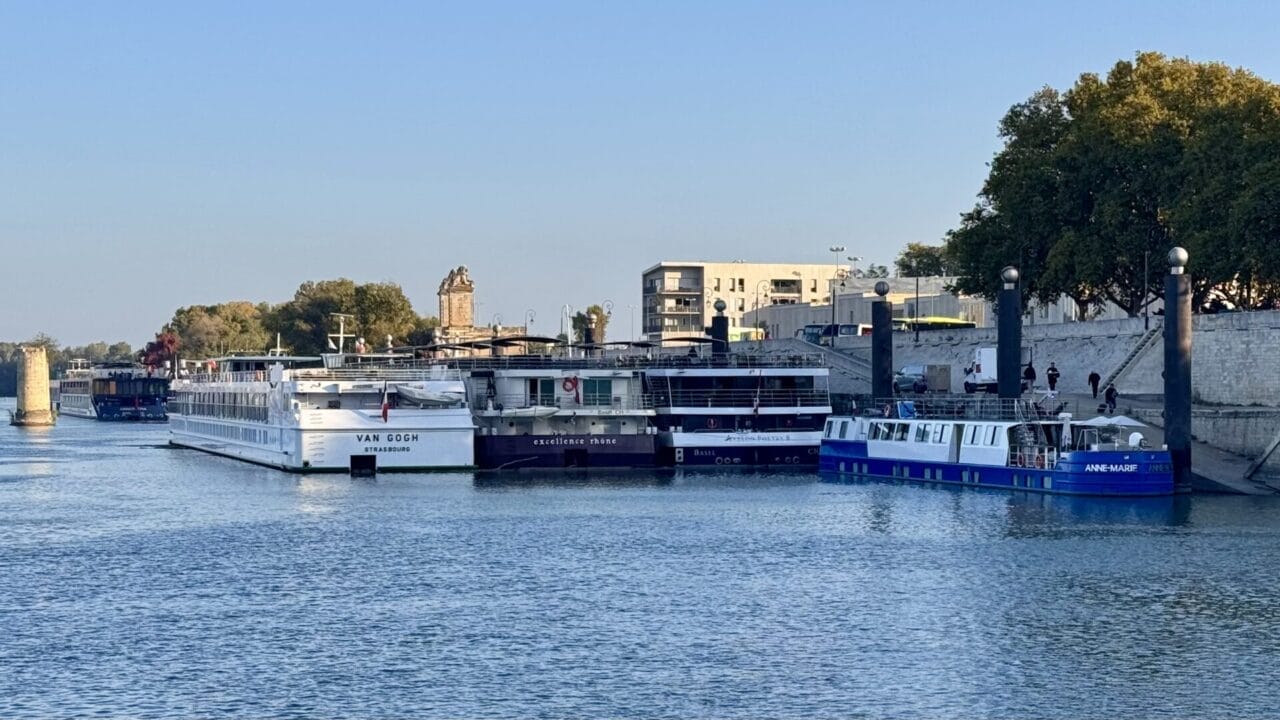
Here’s how river cruises and canal cruises compare.
Ship Size
River cruises: Typically 100–200 passengers
Canal cruises: Often fewer than 20 guests
Pace
River cruises: Structured, with a steady schedule of excursions
Canal cruises: Slower, more relaxed, with more downtime
Where You Go
River cruises: A mix of major cities, smaller towns and well-known destinations
Canal cruises: Small villages, countryside and places larger ships can’t reach
Onboard Experience
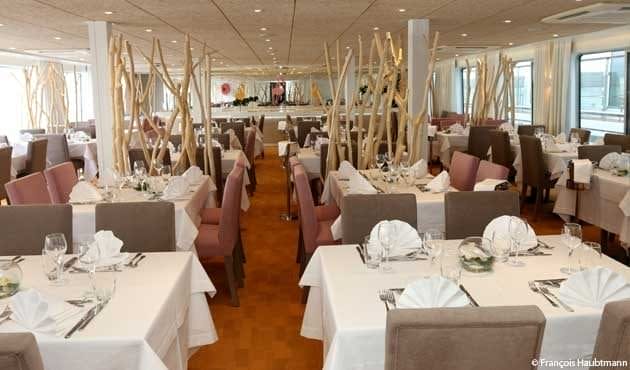
River cruises: More amenities, multiple dining spaces, larger social groups
Canal cruises: Intimate, shared spaces, highly personalized service
Which One Is Right for You?
Both river cruising and canal cruising offer incredible ways to see Europe, but they appeal to different types of travelers.




A river cruise might be a better fit if you:
- want a structured itinerary with built-in excursions
- like having options throughout the day
- enjoy a more social onboard environment
- are new to cruising
A canal cruise might be a better fit if you:
- prefer a slower pace
- want a more intimate, small-group experience
- are interested in quieter destinations and countryside
- don’t mind a simpler onboard setup in exchange for a more personal experience
The Bottom Line
Both experiences offer something special in different ways.
River cruising is about balance – structure, variety and the ability to see a lot without overthinking it.
Canal cruising is about immersion – slowing down, traveling through places most people never see and being part of a much smaller, more personal experience.
The right choice comes down to how you want to travel and what kind of trip you’re looking to get out of it.


