
If the Danube is the king of European rivers, the Amazon is the undisputed titan of the natural world. Spanning more than 4,000 miles and touching nine South American countries, the Amazon is not just a river; it is a life-giving artery for the planet’s largest rainforest.
For the river cruiser, the Amazon represents the ultimate departure from the manicured banks of the Rhine. Here, you won’t find medieval castles or cobblestone villages. Instead, you’ll find pink river dolphins, prehistoric-looking hoatzin birds and indigenous communities that have lived in harmony with the jungle for millennia.
What We’ve Found That Most People Appreciate About the Amazon:
- Wildlife Encounters. It is one of the few places on earth where you can see sloths, monkeys and macaws from your balcony.
- The “Meeting of the Waters.” A natural phenomenon where the dark Rio Negro and the sandy Solimões River flow side-by-side without mixing.
- Deep Immersion. Most cruises use small-scale skiffs to navigate narrow tributaries that larger ships simply cannot reach.
- Expert Naturalists. Unlike European cruises that focus on art and history, Amazon guides are experts in biology, botany and jungle survival.
Where Do Amazon River Cruises Go?
While the Amazon touches much of South America, river cruising is primarily centered in three regions: Peru, Brazil and Ecuador.
The Peruvian Amazon: The Quiet Heart
Most luxury and premium expedition ships sail out of Iquitos, Peru. This region is favored by travelers looking for a “deep jungle” experience. Ships often ply the waters of the Pacaya-Samiria National Reserve, a protected area known as the “Mirrored Forest” for its glassy, reflective waters.
- Best For: Wildlife enthusiasts and those who want a quieter, more intimate expedition.
- Who Sails Here: Aqua Expeditions, Delfin Amazon Cruises and Avalon Waterways (via partner ships).
The Brazilian Amazon: Scale and Culture
Cruises in Brazil typically depart from Manaus, a bustling city in the middle of the jungle. The river here is massive—at points, you cannot see the opposite bank. These itineraries often focus on the culture of the Amazonian people and the dramatic “Meeting of the Waters.”
- Best For: Travelers who enjoy a mix of urban exploration and natural wonders.
- Who Sails Here: Iberostar (the Grand Amazon is one of the larger “hotel-style” ships) and various local expedition fleets.
The Ecuadorian Amazon: Biodiversity Central
Sailing from the town of Coca, cruises in Ecuador explore the Yasuní National Park. This area is widely considered one of the most biodiverse places on the planet.
- Best For: Serious birdwatchers and those looking for active adventures like canopy walks.
- Who Sails Here: Anakonda Amazon Cruises and Manatee Amazon Explorer.
High Water vs. Low Water: When to Go
Unlike the seasonal “Tulip Time” or “Christmas Market” cruises in Europe, the Amazon is a year-round destination. However, the experience changes drastically depending on the water levels.+1
- High Water Season (December to May): The river rises by up to 30 feet. This allows ships and skiffs to float deeper into the flooded forest (the igapó), bringing you closer to the canopy where monkeys and birds play. It is wetter and slightly cooler.
- Low Water Season (June to November): As the water recedes, white-sand beaches emerge. This is the best time for jungle hikes, and since the fish are concentrated in less water, it’s prime time for spotting caiman and fishing for piranha.+1
What Is the Amazon River Cruise Experience Like?
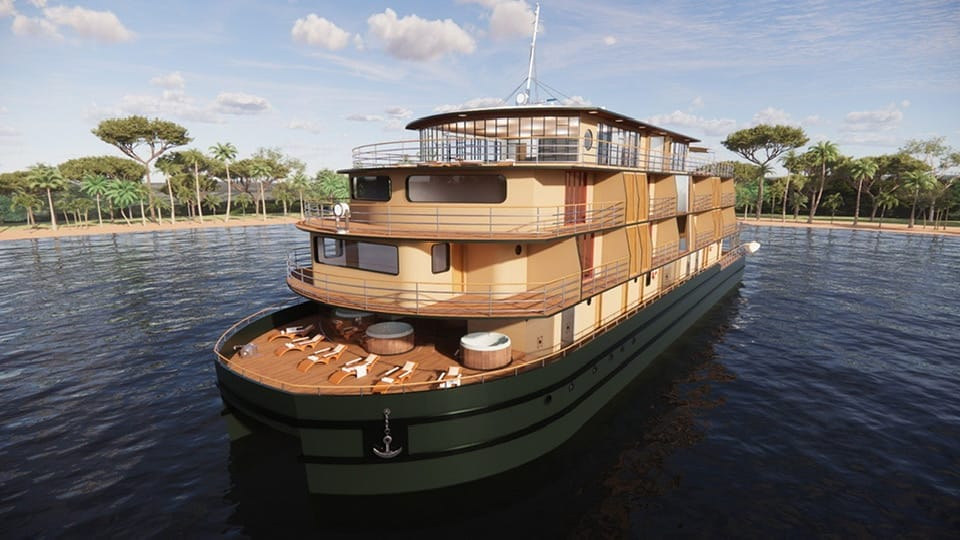
Don’t expect the “Grand Hotel” feel of a Viking Longship. Amazon vessels are purpose-built for the environment. Many feature floor-to-ceiling windows to keep the jungle in view at all times, and most are all-inclusive, covering your excursions, meals and often local wine and beer.
Excursions: Your days aren’t spent on walking tours of cathedrals. Instead, you’ll head out on skiff rides at sunrise to hear the jungle wake up, go on night safaris to spot the glowing eyes of black caimans and visit local ribereños (river people) to learn about life on the water.
Packing Tip: Leave the formal wear at home. The Amazon is hot, humid and buggy. You’ll want lightweight, moisture-wicking clothing, a good hat and plenty of high-DEET repellent.
How Much Does an Amazon River Cruise Cost?
Because the Amazon is an expedition-style destination rather than a standard “bus-on-water” route, pricing can vary significantly based on the level of luxury, the country of departure and the length of the journey. Unlike Europe, where you might find “budget” river cruises, the logistical challenges of the Amazon mean that even entry-level cruises carry a premium price tag.
For the 2026 season, here is what you can expect to pay.
Luxury Expeditions (Peru and Ecuador)
The Peruvian Amazon is home to the most high-end vessels, such as those operated by Aqua Expeditions and Delfin Amazon Cruises. These are often all-inclusive, covering gourmet meals, guided skiff excursions and laundry services.
- Short Cruises (3-4 Nights): Prices typically start between $3,500 and $5,500 per person.
- Week-long Cruises (7-8 Nights): Expect to pay between $8,000 and $12,500 per person. For ultra-luxury suites on ships like the Aqua Nera, prices can exceed $15,000 for peak holiday sailings.
Mid-Range and Large Ships (Brazil)
Cruising out of Manaus, Brazil, often offers a slightly more “traditional” cruise experience on larger vessels.
- Iberostar Grand Amazon: This is one of the more “affordable” ways to see the river. A 3-night cruise can start as low as $1,100 to $1,500 per person, while a full 7-night “Grand Expedition” covering both the Rio Negro and Solimões typically costs between $2,500 and $4,500 per person.
Land-and-Water Packages
Many North American travelers book through lines like Avalon Waterways, which bundles the river cruise with land stays in Lima and Cusco (including Machu Picchu).
- 11-Day Peru & Amazon Itineraries: These comprehensive packages for 2026 generally start around $7,000 to $8,500 per person, which includes the 3- or 4-night cruise on a ship like the Delfin III plus domestic airfare within Peru.
What’s Usually Included (and What’s Not)
| Typically Included | Typically Extra |
| All meals and snacks | International airfare |
| Guided skiff and jungle excursions | Premium spirits and vintage wines |
| National park entrance fees | Gratuities (suggested $20-$30 per day) |
| Non-alcoholic beverages | Spa treatments |
| Transfers to/from the local airport | Pre- and post-cruise hotels |
A Note on Solo Travelers
The Amazon is notorious for high single supplements, often ranging from 50% to 100% of the cruise fare. However, some lines like Delfin or certain Brazil-based expedition boats offer “solo-friendly” cabins or will waive the supplement during the low-water season to fill the ship.
Would you like me to research the current 2026 deals or “solo traveler” promotions for any of these specific lines?
Is the Amazon Right for You?
The Amazon is for the traveler who has seen the “Old World” and is ready for the “Wild World.” It requires a bit more agility for getting in and out of skiffs and a tolerance for humidity, but the reward is a front-row seat to the most spectacular ecosystem on earth.
Yes, River Cruise Advisor, Send Me Your River Cruise Recommendations
When you ask for our recommendations, Ralph personally reviews your preferences and responds at no cost. If you would like help booking, he can refer you to his daughter, Britton Frost, a Cruise Planners travel advisor, or to another qualified travel advisor when appropriate. Britton’s booking assistance costs you nothing extra; she is compensated by the cruise line. She can help you compare fares and promotions, choose the right itinerary and stateroom, manage important booking details, and serve as your advocate if questions or problems arise. You are never obligated to book, and Ralph’s recommendations are not influenced by commissions, commercial relationships, or which cruise line or travel advisor ultimately receives your booking.
"*" indicates required fields