
Atlantic tides shape every sailing plan in Bordeaux. That changes how water levels matter, but it does not make a cruise immune to itinerary changes.
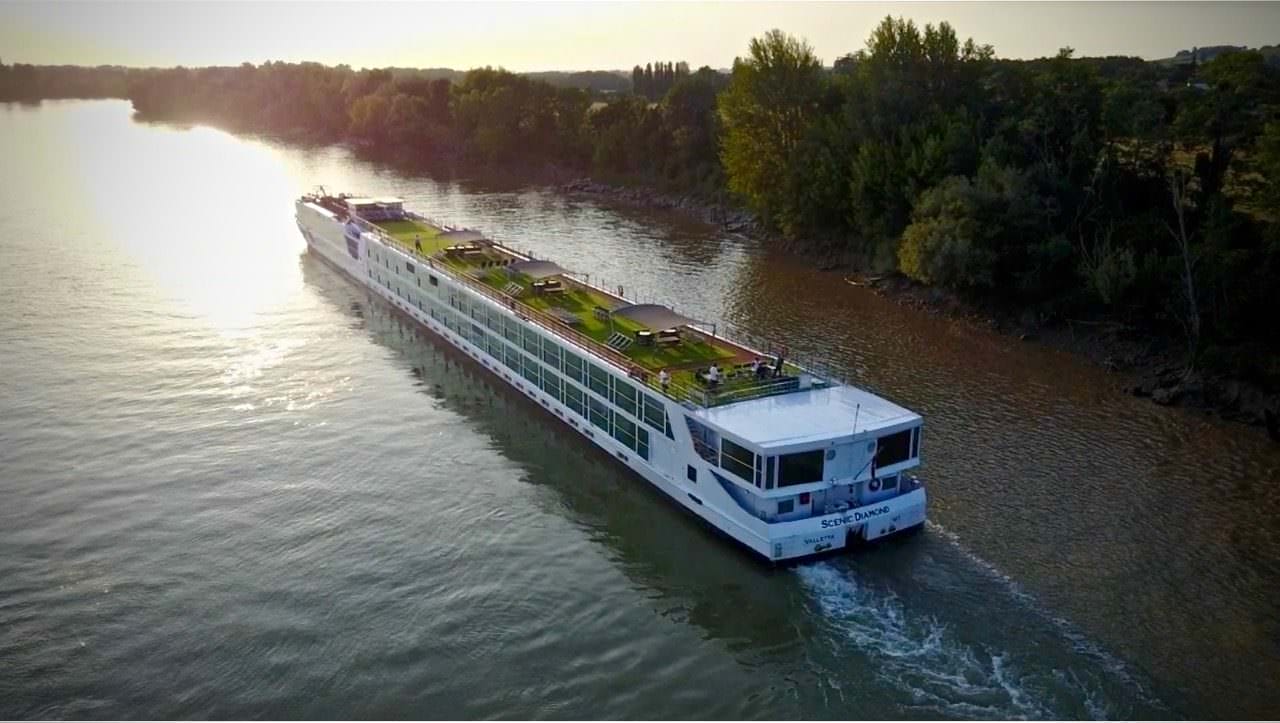
When travelers ask whether Bordeaux gets low water, we say yes, but the answer means something different here than it does on the Rhine or the Danube. It also takes in more than the drought that stressed rivers across Europe in the summer and fall of 2026.
Bordeaux cruises sail a network of waterways: the Garonne, the Dordogne and the Gironde estuary. Because the Atlantic pushes its tides far inland, a captain must read the rise and fall of the water as carefully as the river itself.
For passengers, the distinction that matters is between low river flow and low tide. One reflects dry conditions across a river basin. The other is part of a daily tidal cycle. They can occur together, but they are not the same thing.
Why Tides Matter
In our earlier report on AmaWaterways’ Taste of Bordeaux, we described how tidal fluctuations help dictate timetables and itineraries. The region also has the mascaret, a tidal bore that travels upstream and can raise waves big enough to surf. It is part of Bordeaux’s character as a cruise destination. A departure timed around the tide does not, by itself, signal a drought problem.
The Port of Bordeaux lists eight river-cruise calling sites across the Gironde, Garonne and Dordogne navigation basin. It also points mariners to official tide predictions—a reminder that tides are an everyday consideration here.
Can Drought Still Affect a Cruise?
Yes. Tides do not remove the need for adequate depth beneath a ship. The French Waterways navigation guide describes variable depths, sandbanks and shallows on the tidal Garonne, and its passage-planning advice comes down to using the tide and keeping to the safe channel.
A favorable tide can open a window to sail, but it does not guarantee that every ship can reach every planned stop. Route, conditions and the ship’s draft—how much of the vessel sits below the waterline—all matter.
Bordeaux is not “low-water-proof.” Neither does a photograph of exposed riverbanks at low tide prove that a cruise is disrupted.
What Could Change for Passengers?
A revised sailing time and a missed port are different changes. Ask which one applies rather than accepting a general warning about “water levels.” If navigation requires an adjustment, find out whether the ship will use a different berth, whether an excursion will depart from another location and whether additional coach travel will be necessary.
Those are possible contingencies, not a claim that they are happening on a particular departure. AmaWaterways’ published Taste of Bordeaux itinerary includes Libourne, Blaye, Pauillac and Cadillac, with embarkation and disembarkation in Bordeaux, and notes that itineraries are subject to change. Before booking, ask how your operator would preserve the experiences you value if a planned sailing segment became unavailable.
What to Ask Before Booking
Four questions will get you a more useful answer:
- Are tides already accounted for in the published itinerary?
- Are any navigation restrictions affecting my departure?
- If the ship cannot reach a planned port, how will excursions and time ashore change?
- What terms apply if the itinerary changes substantially?
For readers following our European water-level coverage, Bordeaux deserves its own explanation. A warning about another river says nothing about conditions here. Choose Bordeaux for the region and the experiences you want. Then ask about your specific ship, route and departure date—and whether an adjustment changes only the clock or the substance of your vacation.


