
I spent a lot of this past weekend worrying about the weather. Hurricane Isaias was headed our way, and I was doing what I seem to do every time we have a storm now: checking the forecast too often, looking at the big trees around my house and thinking about everything that could go wrong.
I live in Asheville, North Carolina, where Hurricane Helene caused catastrophic flooding and damage in 2024. Since then, I take storms a lot more seriously than I used to. We saw roads wash away, rivers reach levels nobody expected and entire communities devastated. We lost cell service, and our water was out for weeks. So now when there is heavy rain or strong wind in the forecast, I start thinking about how bad things could get.
This weekend, though, not much happened where I live. I had spent all that time worrying about trees falling, flooding and losing power, and then the storm came and went.
It got me thinking about what is happening with river cruising in Europe this year.
The comparison is obviously not exact. For me, the worst-case scenarios I had been imagining never happened. In Europe, travelers are dealing with something much more tangible. Water levels on parts of the Rhine and Danube have been historically low, cruises have been altered and some travelers have ended up with trips that looked very different from what they booked.
But I think the anxiety comes from a similar place. Once you have seen weather do something far outside what you are used to, it is hard not to wonder if (and when) you should start expecting it to happen again.
That is what Helene did to the way I think about storms. And after such an extreme year on Europe’s rivers, I can understand why travelers might be wondering the same thing: Is this just what river cruising is going to be like now?
2026 Has Been A Bad Year
To be clear, 2026 really has been a bad year for river cruising in Europe.
Low water isn’t new. We were writing about it in 2018, and again in 2022, and we’ve been covering water levels on Europe’s rivers for years. But this summer was unusually severe. On Viking alone, more than half of its European river-cruise days were affected by low water during a one-month stretch from mid-July to mid-August.
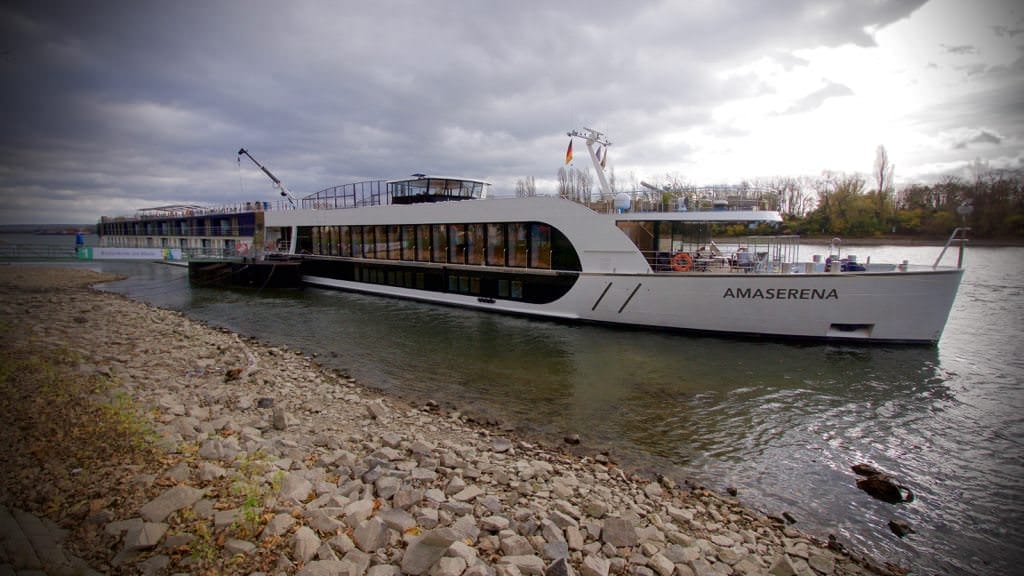
That doesn’t mean half of Viking’s cruises were canceled. Most continued, sometimes with ship swaps, different ports, motorcoach transfers or other changes. But for some travelers, those changes added up to a vacation that looked a lot more like a bus tour than the river cruise they thought they were booking.
And this hasn’t just been a summer problem. As recently as this month, exceptionally low water was still forcing cruise lines to reroute or cancel departures on parts of the Rhine and Danube.
So I completely understand why someone looking at all of this might hesitate to book.
If you’ve been saving for years for a river cruise, hearing that the cruise line will figure something out if the ship can’t sail isn’t necessarily reassuring. And if yours is the trip that gets heavily disrupted, it doesn’t really matter that most cruises typically operate normally. It still sucks to spend that much money on a vacation and end up with something very different from what you thought you were buying.
We’ve had difficult water years before. What feels different about 2026 is just how widespread and persistent the problems have been.
That doesn’t automatically mean this is what river cruising looks like from now on. But I do think it should change the way we think about booking one.
Planning Around The Risk
There is no way to guarantee perfect river conditions, but there are a few things you can think about when you’re booking.
Time of year is one of them. Spring tends to bring more rain and snowmelt, which can create high-water problems. By late summer and fall, drier conditions can increase the risk of low water. Those are general patterns, not rules – we’ve seen water problems at plenty of unexpected times – but it’s something to keep in mind when choosing your dates.
Travel insurance is another consideration, although low water itself may not be covered. If your cruise still operates with different ports, hotels, motorcoach transfers or a ship swap, a standard policy may not reimburse you simply because the trip ended up looking different from what you booked. For travelers who want more flexibility, Cancel For Any Reason coverage, or CFAR, may be worth considering. It usually only reimburses a portion of your nonrefundable trip cost and comes with restrictions on when you have to buy it and cancel, so it’s important to understand the policy before assuming you’re protected.
And yes, the cruise line matters too. Ralph recently looked at how different companies have handled this year’s disruptions, and Riviera and Avalon were two that stood out. Riviera has particularly clear protections for guests when a cruise is significantly disrupted, while we’ve heard encouraging reports about Avalon’s customer service and the cancelation and refund options it has offered affected passengers.
I wouldn’t choose a cruise line based on low-water policies alone. But after a year like this, I would add those policies to the list of things I consider alongside the itinerary, ship, price and time of year.
Why I’m Not Writing Off River Cruising
There is another reason I am not ready to treat low water as an existential problem for river cruising: the companies actually investing in this industry don’t appear to be treating it that way either.
Viking is continuing to expand, and perhaps even more telling is Celebrity. Celebrity isn’t an established European river cruise company adding another ship or two. It is a major ocean cruise brand entering river cruising for the first time, with 20 river ships planned by 2031.
That doesn’t prove low water isn’t a problem, cruise companies can also make investments that don’t work out. But I do think it is a useful reality check.
If the people putting hundreds of millions of dollars into new river ships believed Europe’s rivers were quickly becoming unsuitable for river cruising, it would be strange to see established companies expanding their fleets while one of the biggest names in ocean cruising makes a major entrance into the market.
So, Would I Still Book?
This year would make me think harder about when I travel, what my insurance actually covers and how a cruise line has handled disruptions in the past. But it wouldn’t stop me from taking a river cruise.
That’s the same conclusion I came to after spending the weekend worrying about Isaias. The storm turned out to be nothing where I live, but that doesn’t mean my anxiety came from nowhere. Helene happened. I know what extreme weather can do now, so I pay more attention, take warnings more seriously and probably prepare more than I need to sometimes.
I think there is a difference between taking a risk seriously and assuming the worst-case scenario is what we should expect every time.
This year would make me think harder about when I travel, what my insurance actually covers and what options I would have if low water affected my cruise. I would probably ask more questions before booking than I would have a few years ago. But I also wouldn’t assume that because 2026 has been historically bad, this is what every year is going to look like.
There is risk in booking a river cruise. There always has been. This year has just made that risk a lot harder to ignore.
For me, that isn’t a reason not to go. It’s a reason to know what you’re booking, understand what can happen and make sure you’re comfortable with the possibilities before you put down a deposit.


